

A Shift In The Market
At LionShare, we’re not marketing gurus.
We don’t sit around building funnels or trying to outsmart algorithms. We listen to our customers. We watch what they do. And more importantly, we pay attention to what actually leads to a phone call, a tour, or someone walking through our doors.
And I can tell you this with confidence—something has shifted.
Over the past year, we’ve seen a clear change in how people find us, evaluate us, and ultimately decide to do business with us. More often than not, they’re not coming through our website first. They’re finding us on Google, scrolling photos, reading reviews, and picking up the phone. They want to talk to someone. They want confirmation that what they’re seeing is real.
And that’s not just a LionShare thing—that’s a business thing.
If you’re running a company today, this shift affects you just as much as it affects us. Your customers are moving faster. They’re doing more research in less time. They’re comparing, validating, and forming opinions before you even know they exist. Which means your marketing isn’t just about being visible anymore—it’s about being understood, trusted, and remembered.
What we’ve learned at LionShare is simple: the businesses that win today aren’t the ones with the most polished messaging… they’re the ones that feel the most real.
As you read through this month’s issue, I challenge you to look at your own business through that lens. If someone found you today—without context—would they understand what you do, trust what you offer, and feel confident reaching out?
Because that’s the new first impression.
Michael Januzzi
Founder



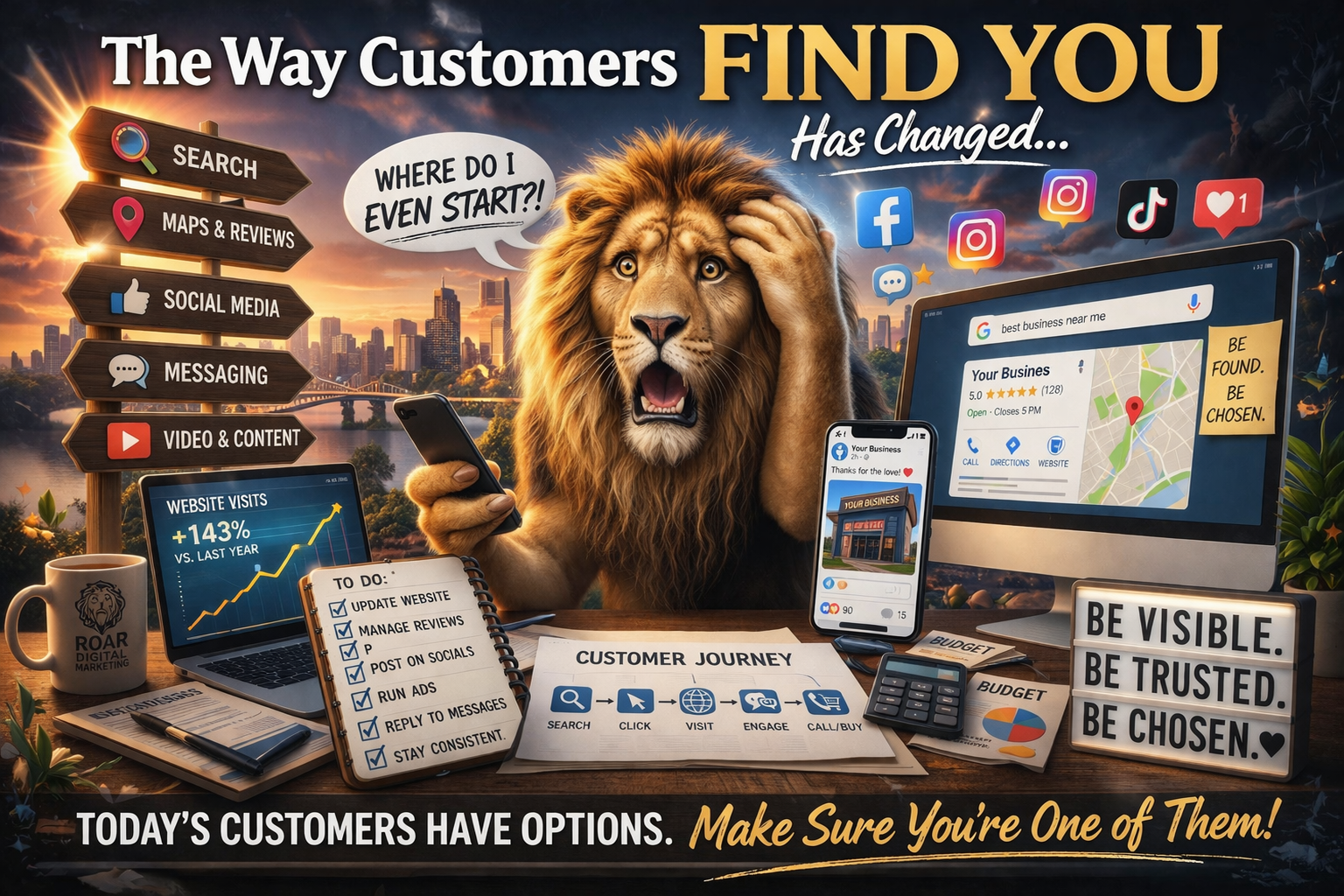
The Way Customers Find You Has Changed…
The traditional path to a customer used to be predictable. Someone would search, land on your website, read through your content, and then decide whether or not to engage.
That path is breaking down.
Today, your website is no longer the first stop—and in many cases, it’s not a stop at all. At LionShare, we’ve seen a growing percentage of interactions come directly through our Google Business Profile. Customers are clicking “Call,” requesting directions, or browsing photos without ever visiting our site. The reason is simple: they’re looking for something real, something immediate, and something they can trust.
At the same time, the internet is becoming saturated with AI-generated content. Websites are easier than ever to build, but harder than ever to believe. As a result, customers are shifting their behavior. They are looking for signals of authenticity—reviews, real-world experiences, and consistency across platforms. Ranking high on search engines still matters, but it no longer closes the deal. It simply earns you a look.
“Visibility gets you noticed. Credibility gets you chosen.”
What happens next is where the decision is made. A potential customer may spend just a few minutes scanning your website before jumping to your social media, reading reviews, watching short-form videos, or even asking an AI assistant for recommendations. They might check LinkedIn to see if anyone in their network has interacted with your business. All of this can happen in less than fifteen minutes.
In that window, you get one opportunity to stand out. If nothing resonates, they move on. If something sticks, you may earn a second look—but that’s not guaranteed.
This is why reviews, reputation, and clarity now carry more weight than ever. Customers are no longer impressed by who appears first—they are influenced by who feels most credible. This shift is also changing how businesses need to think about AI.
"If your business is unclear, inconsistent, or difficult to interpret, AI will skip over you entirely."
AI is quickly becoming the front door to decision-making. Instead of browsing ten websites, users are asking a single question and receiving a handful of recommendations. Those recommendations are not based on who shouts the loudest—they are based on who is easiest to understand, easiest to validate, and most consistently referenced across the internet.
The same applies to social platforms. They are no longer just marketing channels—they are research tools. Customers go there to learn, compare, and validate. They are not looking for ads; they are looking for answers. Content that educates and demonstrates real value will always outperform content that simply promotes.
At its core, marketing in 2026 is no longer about being louder or more aggressive. It is about being clear, trustworthy, and easy to recommend—by both people and machines.
That is the new competitive edge.


Digital Tools: SE Ranking vs. Semrush
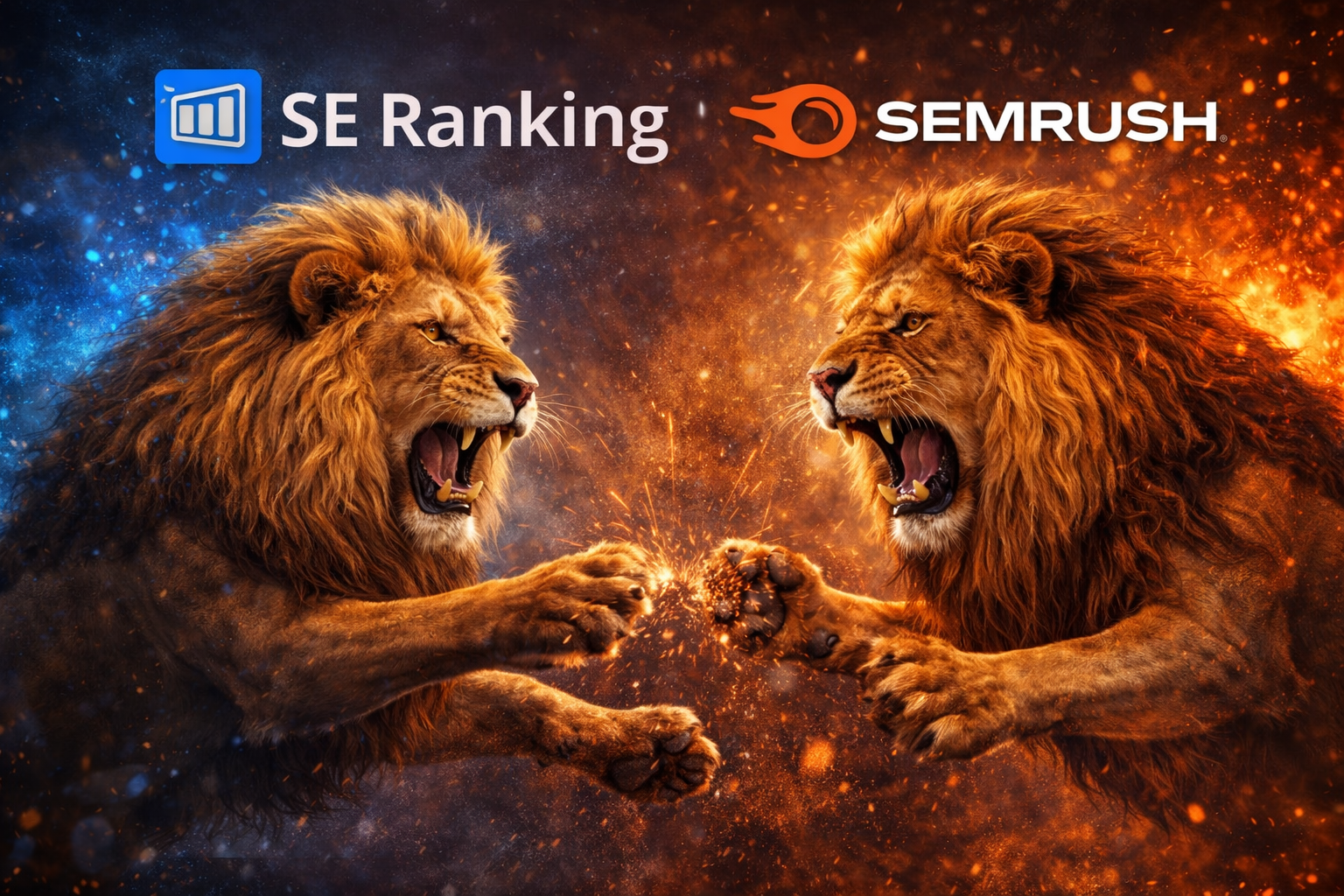
As marketing continues to evolve, so do the tools that help businesses understand their position in the market.
Two of the most widely used platforms today are SE Ranking and Semrush. While both are designed to improve your visibility online, they serve slightly different types of users.
At their core, these platforms help you answer critical questions:
- How visible is my business online?
- What are people searching for?
- How are my competitors positioning themselves?
- Where am I missing opportunities?
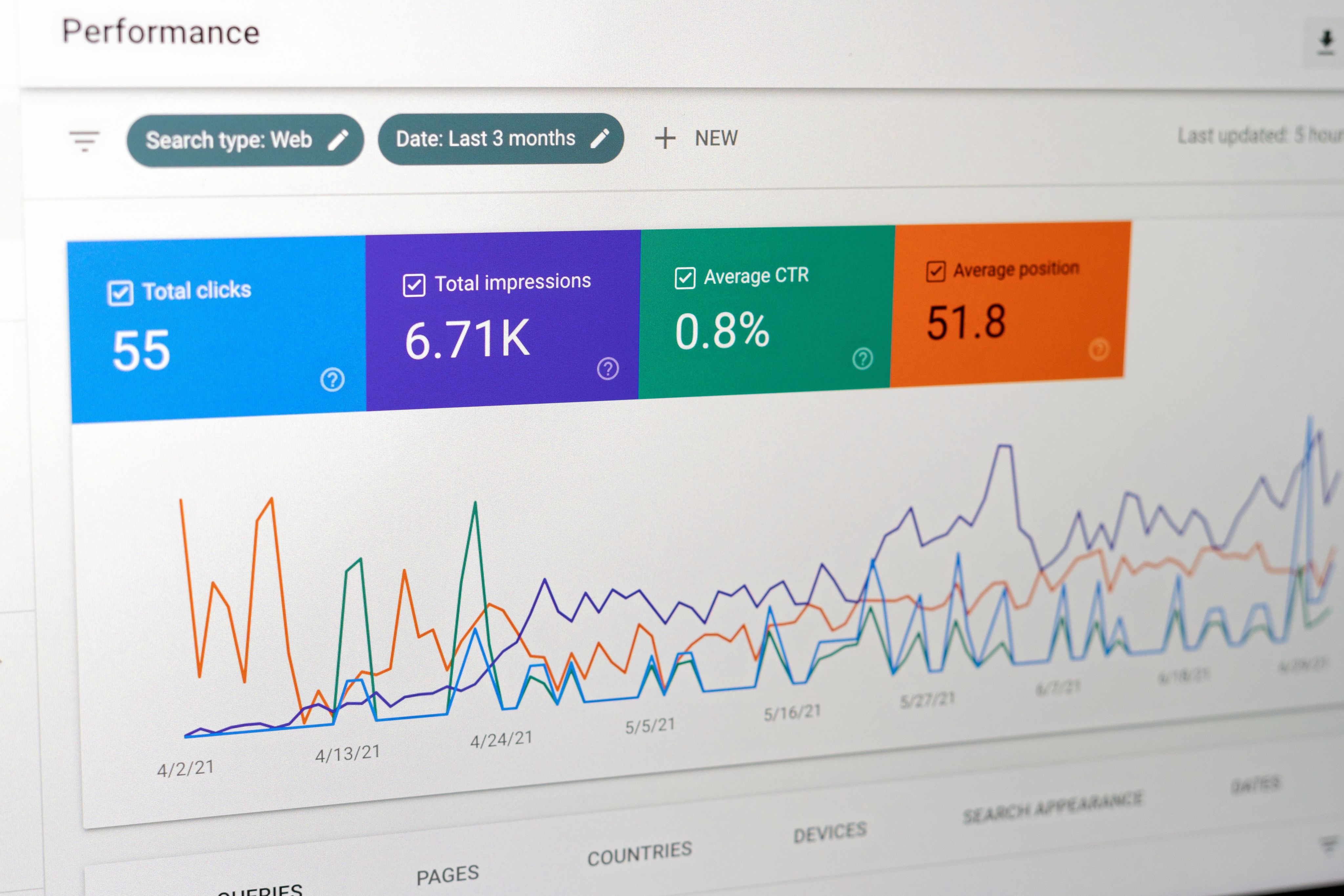
They allow you to track keyword rankings, analyze competitors, audit your website, and identify ways to improve your presence—not just for traditional search engines, but increasingly for AI-driven recommendations as well.
SE Ranking is often the better fit for small to mid-sized businesses. It provides a clean, straightforward interface with powerful capabilities for tracking rankings, monitoring competitors, and improving local SEO performance. It’s practical, cost-effective, and gives business owners a clear understanding of where they stand without overwhelming them.
Semrush, on the other hand, is a more advanced, enterprise-level platform. It offers deep insights into competitor strategies, content performance, backlink profiles, and paid advertising. For businesses with dedicated marketing teams or aggressive growth strategies, it becomes a comprehensive intelligence tool.
From a LionShare perspective, the takeaway is simple:
Most businesses don’t need more data—they need better clarity.
If you’re just starting to understand your online presence, SE Ranking is an excellent place to begin. If you’re scaling and need deeper competitive intelligence, Semrush becomes a powerful advantage.
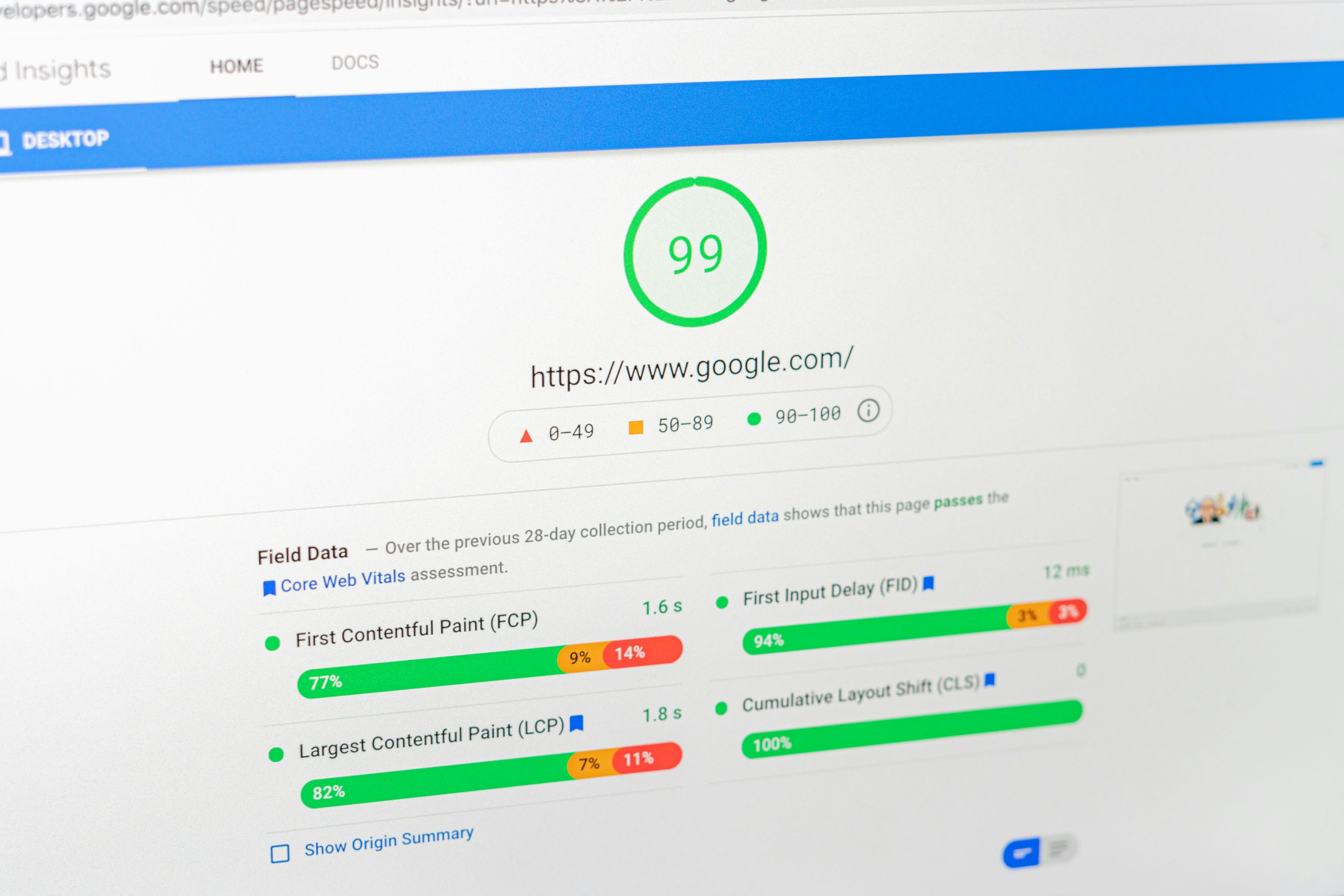
Either way, these tools reinforce a larger point: visibility today is not accidental. It is measured, analyzed, and refined.

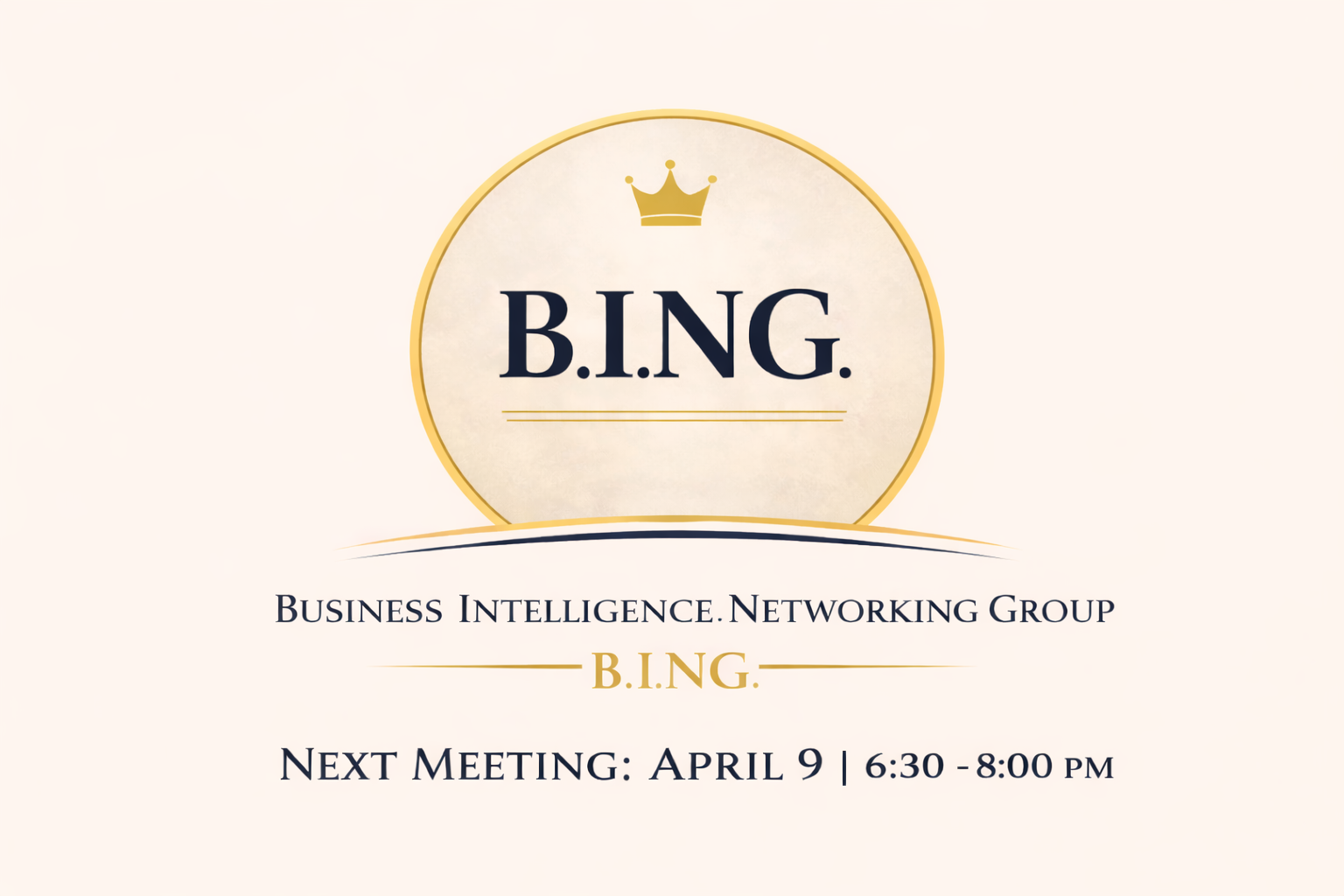
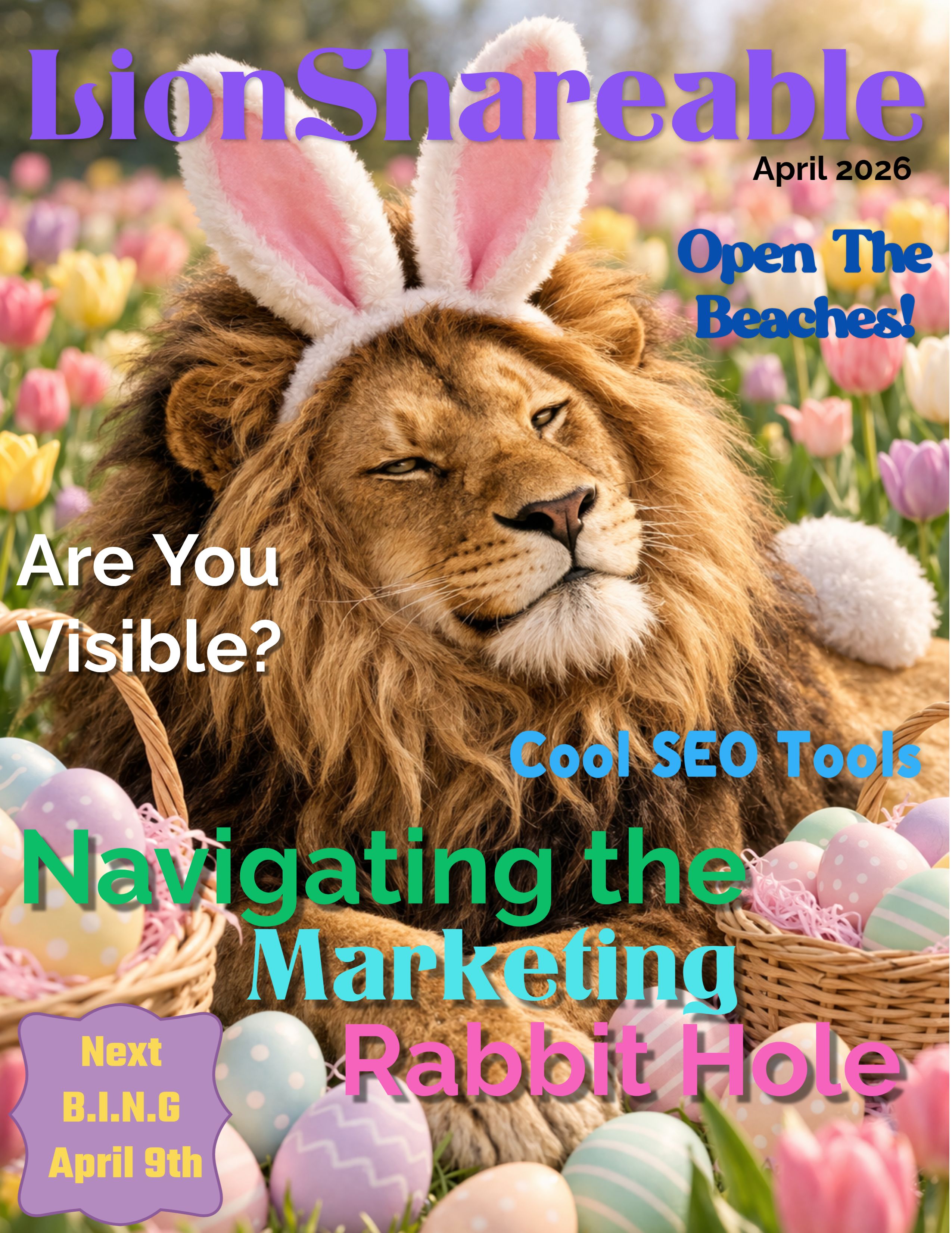
B.I.N.G. — Business Intelligence Networking Group
NEXT MEETING — April 9 | 6:30–8:00 PM
LionShare Cowork — Mane Conference Room
If you missed our first B.I.N.G. meeting, here’s what you need to know:
We had over 30 creative minds in the room—and instead of traditional networking, we focused on solving real business challenges. There were no pitches and no fluff—just practical strategies shared by people actively running businesses.
During our first session, the conversation centered around real-world marketing challenges, including how to convert website traffic into paying customers. We walked through a live website optimization example using Microsoft Clarity, demonstrating how small changes in layout and messaging can directly impact conversions. We also discussed the growing importance of website accessibility (ADA/WCAG) and what business owners need to be aware of moving forward.
One takeaway stood out clearly:
Most businesses aren’t struggling because of effort—they’re struggling because they’re not being seen.
B.I.N.G. is built around a simple but powerful format. Through the Intelligence Exchange, one or two business owners present a real challenge, and the room works through it together in real time. Each meeting also includes a featured session led by someone actively working in the field, focused on practical application—not theory. We close with a Tech Tool of the Month, where we break down a tool you can actually use in your business, in plain terms.
For our April 9 meeting, we’ll begin with a quick follow-up discussion:
- Has anyone implemented Microsoft Clarity?
- What insights came from reviewing your website?
- Have any steps been taken toward ADA compliance?
Our featured session will focus on SEO marketing, led by Louis Trundy of River City Marketing, with a practical breakdown of how to actually get found online.
The Tech Tool of the Month will feature a live demonstration of SE Ranking—showing how to evaluate search demand, analyze competitors, and understand where your business stands.
We’ll also tackle a proposed Business Challenge of the Month:
The art of the business proposal—how to create a persuasive proposal, leveraging AI tools and strategic techniques before and after submission to increase your success rate. Bring your knowledge!
This group will only be as strong as the problems we’re willing to put on the table.
If you’re the smartest person in the room, you’re in the wrong room.
Looking forward to seeing you April 9.





Stay Connected with LionShare
Want more stories, guides, and insider resources from the LionShare community?
Subscribe to the LionShareable Local Guide and get updates on local businesses, tips, events, and workspace solutions — straight to your inbox.
Editor-in-Chief: Michael Januzzi
Want to be featured in the next LionShareable issue?
Reach out to Keely O’Neill and we’ll get you started. Email: admin@lionsharecowork.com
Front Desk: (904) 776-1654

 Built with Shorthand